Can Sleep Apnea Treatment Help Prevent Dementia
The connection between sleep and brain health is undeniable, and recent research highlights a critical link between obstructive sleep apnea (OSA) and an increased risk of dementia. While OSA disrupts sleep and oxygen flow, effective treatment may not only improve your quality of life but also play a role in protecting your brain from cognitive decline.
Let’s explore the relationship between OSA and dementia and how addressing this common sleep disorder might safeguard your cognitive health.
The Link Between Sleep Apnea and Dementia
OSA occurs when your airway becomes blocked during sleep, causing interruptions in breathing and reducing oxygen levels in your body. These episodes can happen dozens of times per night, fragmenting sleep and depriving the brain of oxygen.
Over time, untreated OSA contributes to several factors that increase the risk of dementia, including:
- Chronic Oxygen Deprivation: This damages brain cells, particularly in areas responsible for memory and cognition.
- Poor Sleep Quality: Fragmented sleep interferes with the brain’s ability to clear harmful waste, like beta-amyloid plaques associated with Alzheimer’s disease.
- Inflammation and Vascular Damage: OSA triggers systemic inflammation and can lead to cardiovascular issues, both of which negatively impact brain function.
Studies have shown that individuals with untreated OSA are at a higher risk of developing mild cognitive impairment (MCI), a precursor to dementia.
How Sleep Apnea Treatment Can Protect Your Brain
Addressing OSA can reverse or reduce many of the factors contributing to cognitive decline. Here’s how treatment helps:
1. Restoring Oxygen Flow
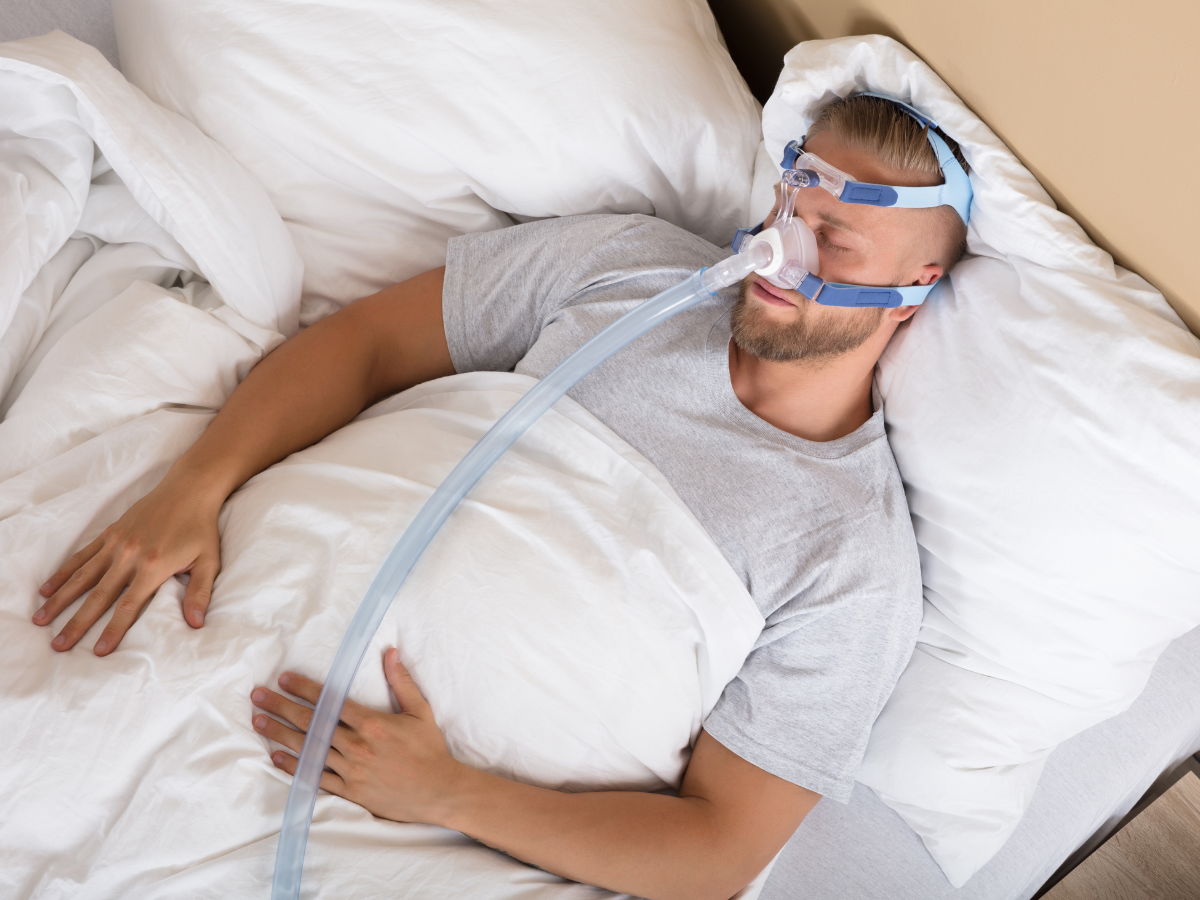
Treatments like CPAP machines and oral appliances keep the airway open during sleep, ensuring steady oxygen delivery to the brain. This prevents the damage caused by repeated drops in oxygen levels.
2. Improving Sleep Quality
Effective OSA treatment allows for deeper, uninterrupted sleep. During these restorative phases, the brain clears toxins and consolidates memories, critical processes for long-term brain health.
3. Reducing Inflammation
By addressing the root cause of OSA, treatment lowers systemic inflammation that can damage brain cells and increase dementia risk.
4. Enhancing Cardiovascular Health
OSA treatment reduces strain on the heart and blood vessels, improving blood flow to the brain and protecting it from vascular-related cognitive decline.
The Role of Oral Appliance Therapy
Oral appliance therapy is a convenient and effective treatment option for OSA. These custom-made devices gently reposition the jaw to keep the airway open during sleep. They are a comfortable, portable alternative to CPAP machines, particularly for patients who find CPAP difficult to use.
Studies have shown that consistent use of oral appliances improves oxygen levels and sleep quality, potentially reducing the risk of cognitive decline.
Why Early Intervention Matters
Detecting and treating OSA early can have a profound impact on long-term brain health. If you or a loved one snores, wakes up feeling unrested, or experiences memory lapses, it’s worth discussing a sleep evaluation with your dentist or doctor.
Take Control of Your Brain Health Today
While more research is needed to fully understand the relationship between OSA treatment and dementia prevention, the evidence is clear: treating sleep apnea improves sleep quality, restores oxygen levels, and supports overall brain health.
If you’re concerned about OSA and its potential impact on your memory or cognitive function, we’re here to help. Contact our office to schedule a consultation, learn about at-home sleep testing, and explore treatment options like oral appliance therapy.
Your brain is worth it. Start prioritizing your sleep health today.