The Veteran's Guide: Is Sleep Apnea a Disability for VA Benefits?
Sleep apnea is a significant health concern for many veterans, impacting everything from daily energy to long-term health. If you are a veteran struggling with this condition, you may be wondering: Is sleep apnea a disability in the eyes of the VA? The answer is yes, but it requires a strategic approach to your claim.
This guide will walk you through the essential steps, from understanding your symptoms to building a strong case for VA disability benefits.
Spotting the Signs: Sleep Apnea Symptoms in Poway and Beyond
Recognizing the symptoms of sleep apnea is the first step toward a diagnosis and a successful claim. While most people think of loud snoring, more signs are often more complex and can be mistaken for other health issues like PTSD or chronic fatigue.
Common sleep apnea symptoms include:
- Loud, persistent snoring
- Waking throughout the night, gasping for air or choking
- Excessive daytime sleepiness
- Morning headaches
- Difficulty with concentration and memory
- Irritability and mood swings
If you or a loved one notice these symptoms, it's crucial to seek a professional medical opinion. A formal diagnosis is the cornerstone of any successful VA disability claim.
Your First Step: Using a Sleep Apnea Screener
A sleep apnea screener can provide a quick initial assessment of your risk before a full sleep study. Tools like the STOP-Bang questionnaire evaluate factors like snoring, tiredness, observed breathing pauses, and body mass index to determine if a sleep study is warranted.
While a screener is a helpful starting point, remember that it is not a diagnosis. To qualify for VA benefits, you must have a formal diagnosis confirmed by a sleep study, known as a polysomnography. This comprehensive test monitors your breathing, heart rate, oxygen levels, and other vital signs while you sleep, providing the definitive evidence needed for your claim.
How to Prove a Service Connection for Your Claim
The most critical part of a VA disability claim for sleep apnea is proving a service connection. This means demonstrating that your condition is linked to your time in the military. There are three primary ways to do this:
- Direct Service Connection: The sleep apnea was diagnosed while you were on active duty. This is the most straightforward connection, but also the most rare.
- Secondary Service Connection: The sleep apnea was caused or aggravated by another service-connected disability. For many veterans, this is the most viable path. Common examples include:
- PTSD: Sleep apnea is often a secondary condition to PTSD due to the impact of the disorder on sleep patterns and stress-related weight gain.
- Obesity: A secondary connection can be established if weight gain is a documented result of a service-connected condition (like a knee injury that prevents exercise), and that weight gain caused the sleep apnea.
- Respiratory Conditions: Burn pit exposure or other respiratory issues from service can lead to sleep apnea.
3. Aggravation: A pre-existing sleep apnea condition was worsened beyond its natural progression by your military service.
To prove any of these connections, you need more than a diagnosis. A Nexus Letter from a medical professional is a powerful piece of evidence. This letter formally links your sleep apnea to a specific event or service-connected condition, using language the VA requires, such as stating it is "at least as likely as not" due to your service.
Understanding the VA Disability Rating for Sleep Apnea
The VA rates sleep apnea under Diagnostic Code 6847, with ratings based on the severity and required treatment.
- 0% Rating: Your condition is documented, but you are asymptomatic (have no symptoms) and do not require treatment.
- 30% Rating: You experience persistent and significant daytime sleepiness that impairs your ability to function.
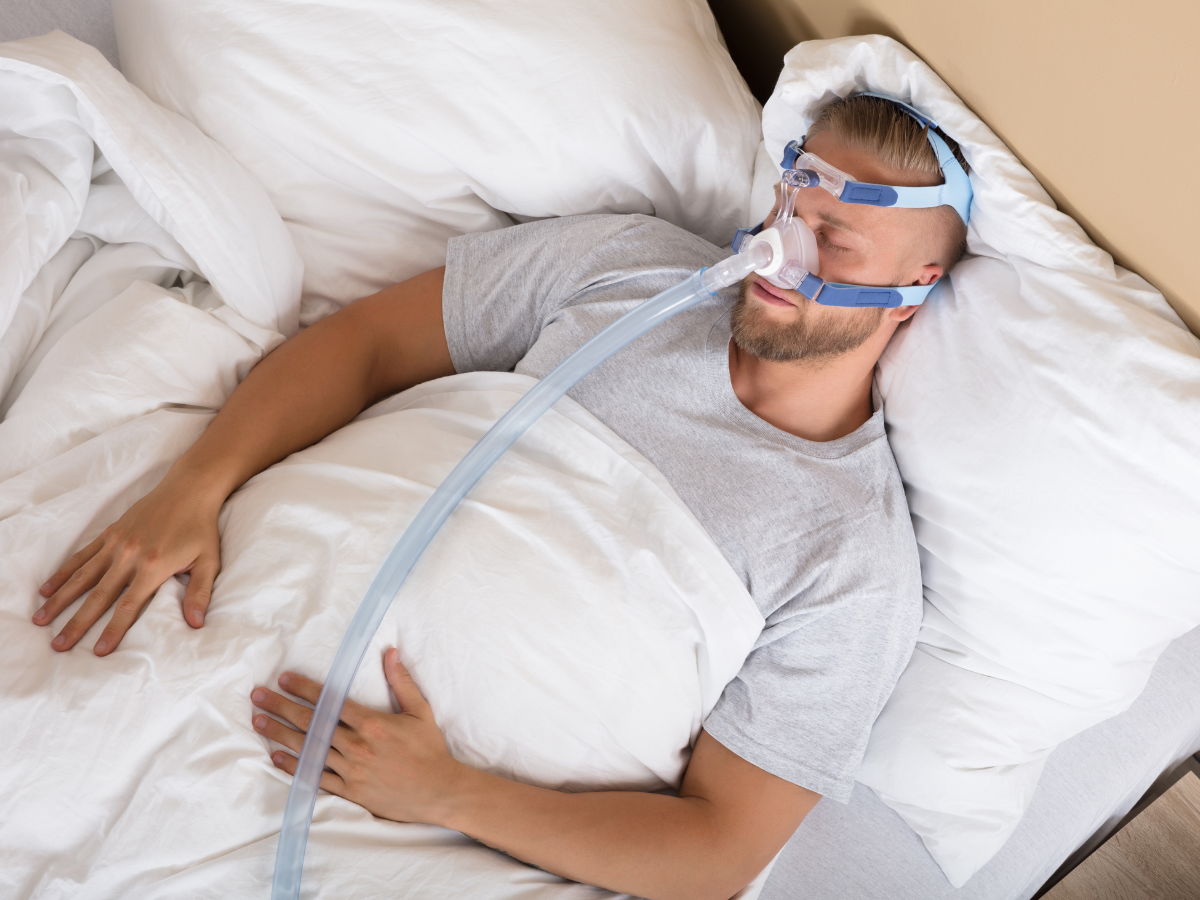
- 50% Rating: This is the most common rating for sleep apnea. It is assigned if you require a breathing assistance device, such as a CPAP machine.
- 100% Rating: This rating is reserved for severe cases in which sleep apnea leads to chronic respiratory failure, carbon dioxide retention, or the need for a tracheostomy.
It's vital to note that the VA is considering changes to this rating system. While the current system is in place, filing your claim is the best way to secure the benefits you deserve.
Frequently Asked Questions
Q: Do I need a sleep study to get a VA rating for sleep apnea?
A: Yes. A formal diagnosis from a sleep study (polysomnography) is required. The VA will not grant a rating for a sleep apnea claim without this critical medical evidence.
Q: Can I get a secondary service connection for sleep apnea if I have PTSD?
A: Yes. There is a strong medical link between PTSD and sleep apnea. If your service-connected PTSD has caused or aggravated your sleep apnea, you can file a claim for a secondary service connection.
Q: What if I have sleep apnea but do not use a CPAP machine?
A: If a CPAP machine is prescribed but you do not use it, the VA may deny your claim or give you a lower rating. To qualify for the 50% rating, you must not only be prescribed a CPAP but also show documented compliance with its use.
Q: What is a Nexus Letter and why is it important?
A: A Nexus Letter is a medical opinion from a doctor that links your sleep apnea to a specific in-service event or another service-connected disability. It is one of the most potent pieces of evidence you can provide to prove a service connection.
Take the Next Step for Your Health and Benefits
If you are a veteran dealing with sleep apnea, it's essential to get a formal diagnosis and build a strong, evidence-based claim. Do not let your symptoms go untreated, or your benefits go unclaimed.
Contact our clinic in Poway for a professional evaluation and a sleep study. We can provide the critical medical evidence to support your claim and help you get back to a life of restful sleep and renewed energy.
Contact Us Today for a Consultation
Disclaimer: This content is for informational and educational purposes only and is not intended to serve as medical, legal, or VA benefits advice. The information provided does not replace a consultation with a qualified healthcare provider, attorney, or accredited VA representative. VA disability determinations, ratings, and eligibility requirements are subject to change and depend on individual medical records, service history, and supporting evidence. A formal medical diagnosis and official VA review are required for any disability claim. References to services in Poway are for general informational purposes only and do not guarantee eligibility for benefits or specific outcomes.